
A lot of things we used to see, touch, or use all the time have quietly slipped away without much fanfare. It’s strange how something can feel essential one year and almost forgotten the next. You don’t really notice they’re gone until someone brings them up and you think, “Wait, whatever happened to that?”
Here are some once-familiar things that have mostly vanished from our daily lives.
Phone Books
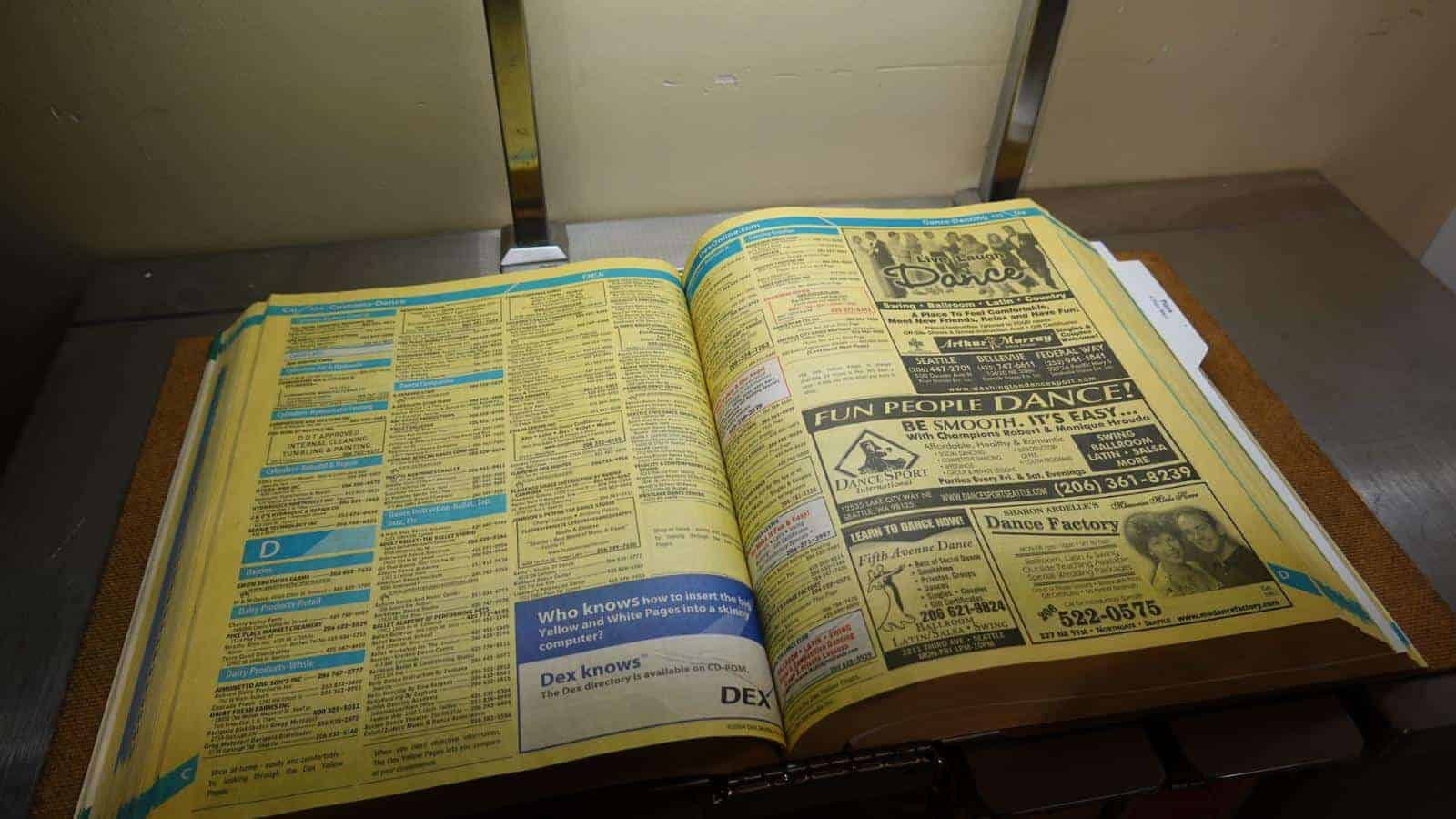
Not that long ago, phone books were a staple in every home and office. They were bulky, heavy, and often used as doorstops or booster seats when not being flipped through for someone’s landline number. Smartphones and search engines have taken over, and most people don’t even remember the last time they cracked open a printed directory.
Checkbooks

A check used to be the standard way to pay for rent, utilities, or even groceries. Over time, debit cards, mobile payments, and automatic bank transfers made checkbooks feel clunky and slow. Banks now offer bill pay features that make it easy to send money without ever picking up a pen. Some younger people have never even owned a checkbook.
Rolodexes
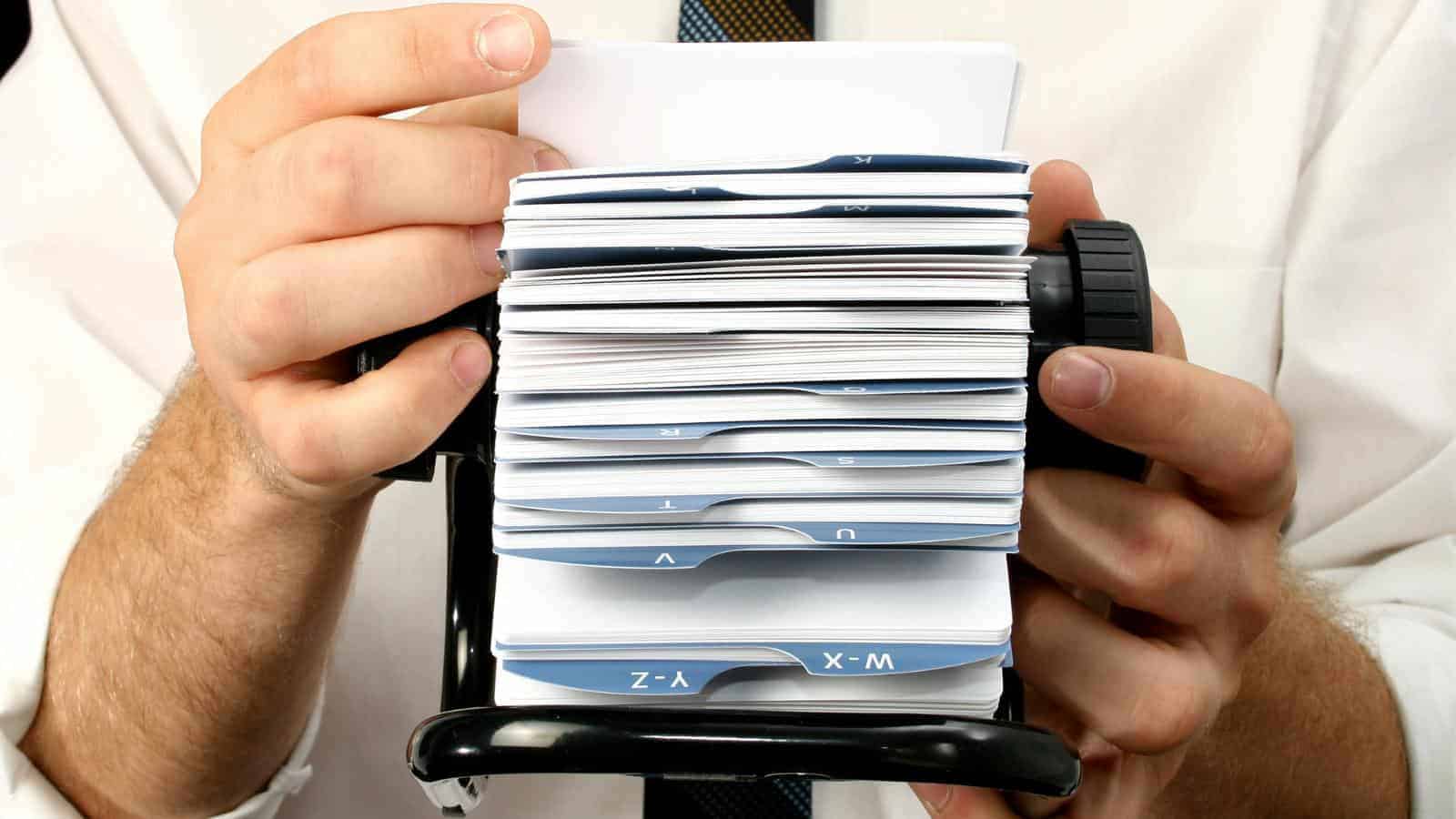
Contacts were kept in a Rolodex in every office. Flipping through those cards to find someone’s number or address felt efficient at the time. Now, smartphones and contact apps store far more information with way less effort. Office desks look a lot cleaner without one of those sitting next to the stapler.
CD Binders

Back when burning CDs was popular, people took real pride in organizing their music collections inside thick zippered binders. You probably knew someone who had dozens of those sleeves filled up.
Music streaming and cloud storage made those big collections obsolete almost overnight. There’s no reason to carry around hundreds of plastic discs when your phone holds entire libraries.
Answering Machines

Hearing that little beep after “Leave a message” used to be a routine part of calling someone. Answering machines sat on counters or desks, blinking a red light when there was a message waiting.
Then along came voicemail built right into cell phones, and suddenly no one needed a separate device. It’s rare to see an answering machine anywhere now, apart from old movies.
Map Books

Before GPS, we relied heavily on paper map books to get around. They were kept in glove compartments or car seat pockets, dog-eared and full of notes. Getting lost meant pulling over, flipping through the book, and hoping you could figure it out. Today, apps offer step-by-step directions with real-time updates. Paper maps haven’t disappeared completely, but they’re a backup rather than a primary tool.
Floppy Disks

Storing files on floppy disks was once standard for everything from school reports to software installations. The capacity was tiny by today’s standards – just over 1MB – and they were easily damaged. USB drives and cloud services with way more space and speed made them obsolete. Younger generations wouldn’t recognize one if they saw it.
Film Cameras for Daily Use

Snapping pictures used to mean buying a roll of film, taking a limited number of photos, and waiting days to get them developed. Film photography still exists as a hobby, but the average person now relies on their phone for pictures. Digital cameras and smartphones changed everything about how we take and share images.
Fax Machines
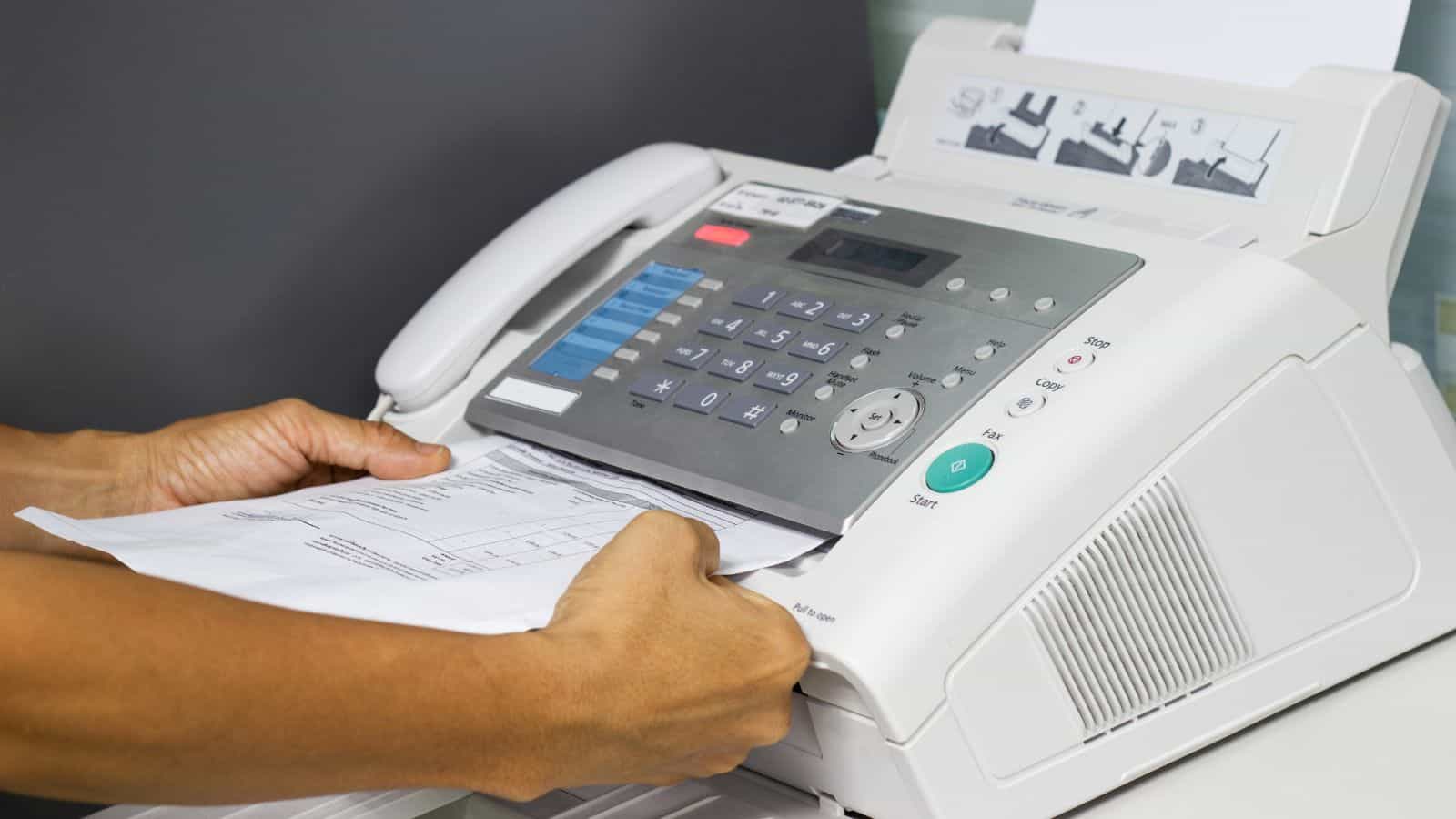
In most offices, the fax machine once stood next to the copier and printer as a vital piece of equipment. Sending documents through a landline was considered fast and secure. Yet email, cloud sharing, and digital signatures have taken over. Some industries still use them, but they’re an outdated rarity.
Cassette Tapes

There was a time when people made mixtapes for friends or recorded songs off the radio onto cassette tapes, which were portable, cheap, and filled many glove compartments. Then CDs came along, and later, digital music pushed tapes into obscurity. You can still find them in some used music stores, but most modern devices don’t even have a cassette deck.
Typewriters

The clack of the keys and the ding at the end of a line were part of everyday sounds in schools and offices. Computers with word processing software eventually replaced manual typewriters, offering spell check, editing tools, and far more flexibility. While some collectors and writers still enjoy using typewriters, they’ve faded away as practical tools for most folks.
Alarm Clocks with Red LED Displays

Nearly every bedroom had a standalone alarm clock with big red LED numbers glowing through the night. They sat on nightstands, buzzing loudly in the morning or playing the radio to wake you up. With the rise of smartphones, we stopped needing a separate device just to tell time or set alarms.
Carbon Paper
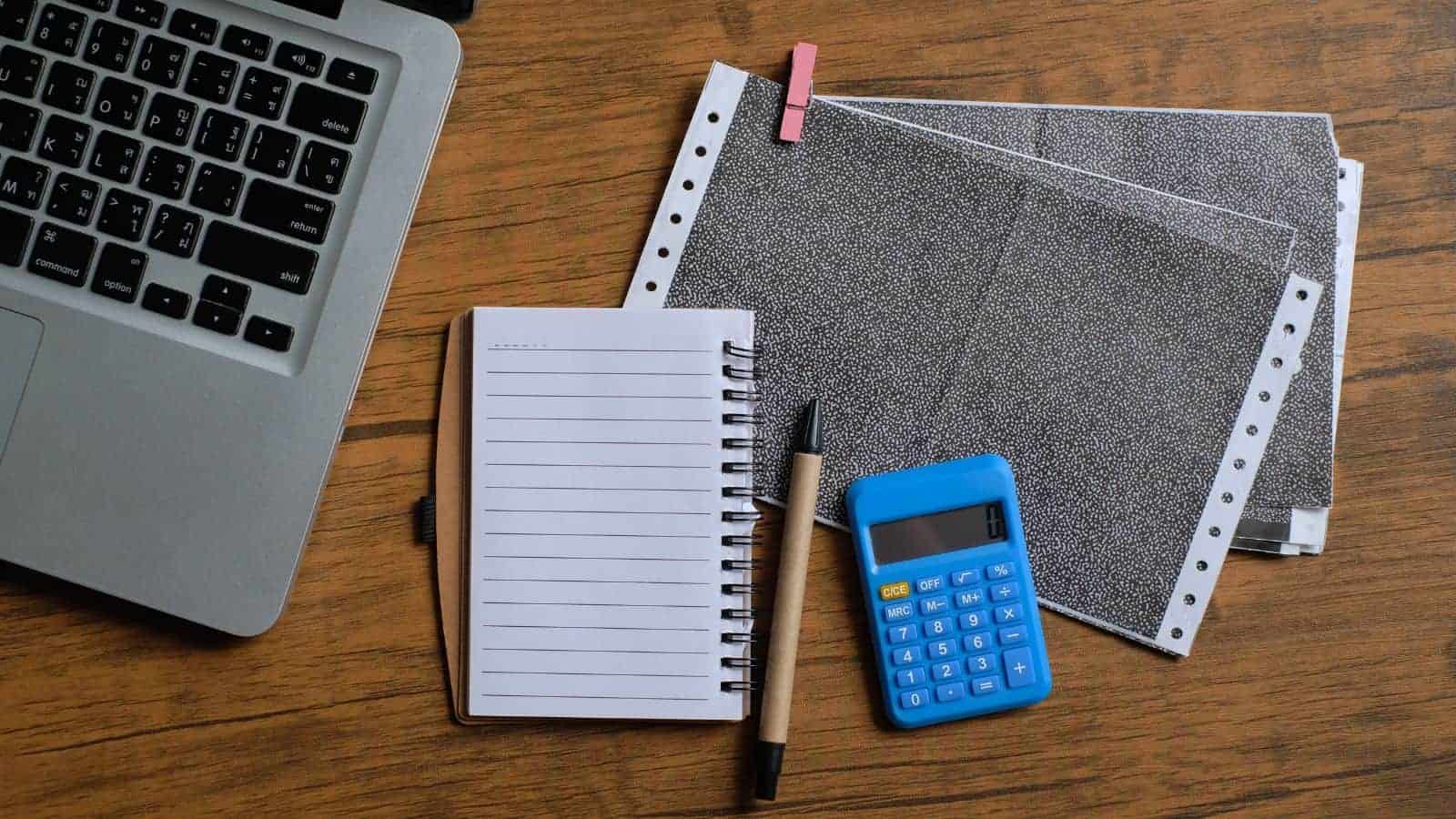
To make copies of a typed document entailed slipping a sheet of carbon paper between two sheets of paper. Folks used it for receipts, forms, or any time a duplicate was needed without a copy machine.
Nowadays, printers and digital forms have replaced the need for such a messy process. Carbon paper is one of those items that vanished without many people noticing.
Landline Telephones

For decades, having a landline was a household essential. That home phone, usually with a long cord stretched into the kitchen or bedroom, was the main way families stayed in touch.
Mobile phones chipped away at that need, then eventually replaced it altogether in many homes. Landlines haven’t disappeared completely, but most people rely on their cell phones now and leave the house phone unplugged.
UP NEXT:
19 Perks of Dating Older Women, According to Men
20 Actions That Scream Unprofessionalism at Work
19 Disrespectful Questions You Should Never Feel Pressured to Answer, No Matter What
This article includes content generated by AI.