
The 1950s feel like a different world – and in many ways, they were. From how people lived and worked to the way they dressed and socialized, daily life looked nothing like it does today. Some of what was normal back then has completely disappeared, and odds are it’s not coming back.
Here are 13 things from that era you just don’t see anymore.
Milk Delivery to Your Doorstep
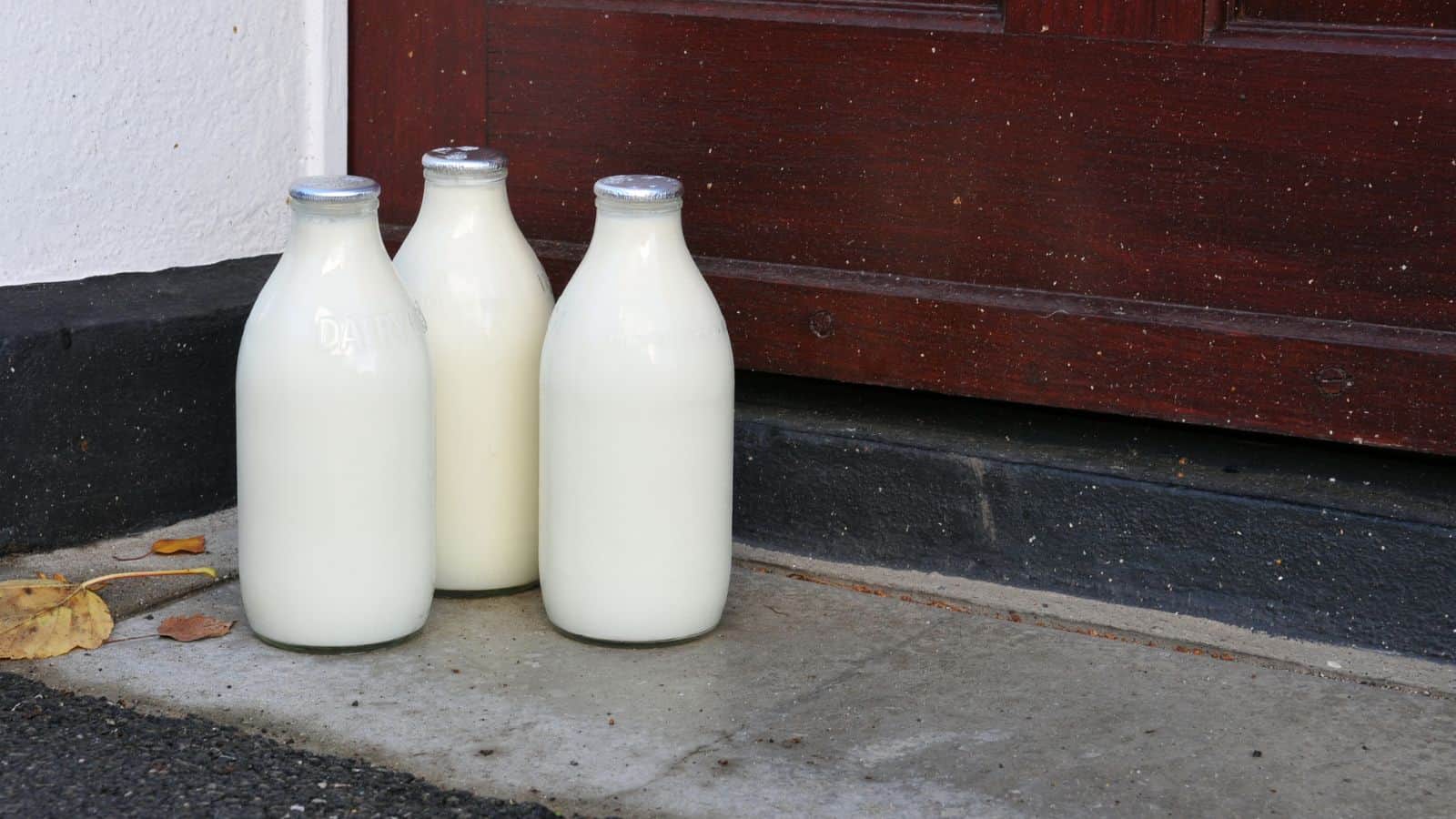
There was a time when glass bottles of milk showed up on your front porch like clockwork. The milkman was a regular part of suburban life, making early morning rounds with a metal carrier full of bottles. It was convenient and felt very personal.
Sadly, by the 1980s, it was nearly extinct. Today, home grocery delivery is back in style – but milk in a glass bottle from a guy in a white cap? That specific piece of Americana isn’t coming back anytime soon.
Party Lines on the Telephone

Sharing a phone line with your neighbors sounds wild today, but it was totally normal in the ’50s. These “party lines” meant you could pick up your phone and hear someone down the road already chatting. Privacy was limited, and eavesdropping happened more than people admitted. As phone technology advanced and individual lines became affordable, party lines quickly disappeared.
Now, with smartphones and video calls in every pocket, the idea of sharing a phone line with strangers feels like something out of a museum. And for good reason – no one’s missing it.
Penny Candy at the Corner Store

Back when a few coins could buy you a paper bag full of candy, kids made regular stops at the corner store. Licorice ropes, jawbreakers, wax bottles – all for a cent or two apiece. It wasn’t just the prices, either. These places were part of the neighborhood. But over time, inflation, big-box stores, and safety regulations pushed these shops out.
Dressing Up Just to Go Out

In the 1950s, even a trip to the grocery store meant slacks, dresses, polished shoes, and combed hair. Kids wore button-ups to school, and adults wouldn’t dream of wearing jeans to a restaurant. The idea of “dressing for the occasion” was built into everyday life.
As you can imagine, that all started to shift in the ’60s and ’70s, and now, anything goes. You’ll see pajamas in airports and hoodies at weddings. Style hasn’t disappeared, of course, but it’s just gotten a lot more relaxed, and that old level of formality isn’t making a comeback.
Smoking Almost Everywhere

Today, indoor smoking is banned in most public places and cigarette ads are tightly controlled. This, of course, has meant that smoking has dropped sharply. It’s a major cultural shift, one that saved lives. While vaping and nicotine products still exist, the smoke-filled rooms of the past are officially out of style – and health-wise, that’s a win.
It’s hard to imagine now, but smoking was once everywhere – on planes, in restaurants, at the doctor’s office. Ashtrays sat on every table. Cigarette ads were on TV, and doctors even recommended certain brands. In the ’50s, lighting up was part of social life, and nobody blinked.
Manual Typewriters

Before computers, these machines were how everything got done. There was no backspace key, just white-out and retyping. Although by the 1980s, typewriters were already fading fast, and today you’ll probably only find them in antique shops or the occasional hipster café.
Drive-In Movie Theaters

Streaming and home theaters have changed how we watch movies. Now, most people don’t want to leave the couch, let alone the house. The charm is still there, but the business model isn’t.
At their peak, drive-ins were everywhere – big screens under the stars, popcorn from the concession stand, kids in pajamas piled into the backseat. It wasn’t just about the movie; it was a whole evening out.
Iceboxes Instead of Refrigerators

How often do you think about keeping food cold? Not very often, right? Thank goodness for refrigerators! Before modern refrigerators became common, people used iceboxes – insulated cabinets that held big blocks of ice delivered weekly. You had to arrange your food around the melting ice and manage how fast it warmed up. It sounds primitive now, but that was daily life for millions of households. Sadly, iceboxes have now become antiques, and the idea of needing actual ice to keep milk cold feels like something from a survival show.
Gender-Specific Home Economics and Shop Classes

In the 1950s, schools split kids into very specific roles. Girls took home ec, where they learned cooking, sewing, and child care. Boys took shop, where they learned woodworking and how to change a tire. It reflected how society saw gender roles at the time – and it was rarely questioned.
That started shifting in the ’70s and ’80s, and today, the idea of separating kids by gender for life skills would spark instant backlash. Some of those classes barely exist now at all, and when they do, they’re open to everyone.
Soda Fountains in Drugstores
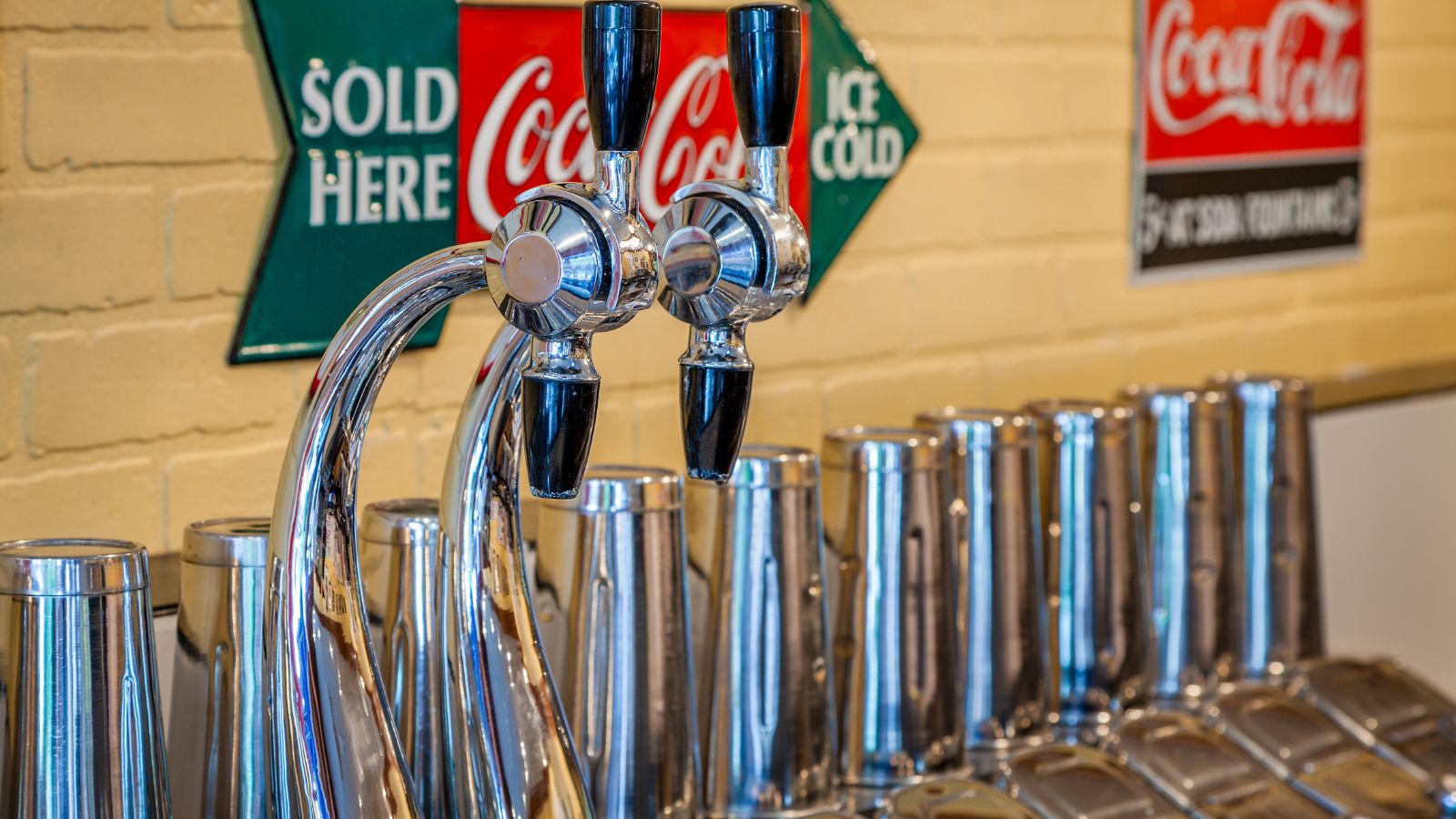
Once fast-food chains and convenience stores took over, soda fountains became a thing of the past. You might still find one in a retro-themed diner, but as a real part of daily life, they’re long gone – replaced by vending machines and drive-thrus.
Cars Without Seat Belts

It’s jarring to think about now, but seat belts weren’t standard in most American cars until the mid-1960s – and not required by law in all states until much later. In the ’50s, families rode around with kids bouncing in the backseat and babies on laps. Some cars didn’t even have rearview mirrors. Safety wasn’t top of mind. That changed over time with stricter laws, public safety campaigns, and growing awareness of accident risks.
Today, it’s hard to imagine getting in a car without buckling up. What used to be optional is now second nature – and for good reason.
Collecting S&H Green Stamps

Shoppers used to get green stamps with their purchases, then paste them into booklets at home. Once you had enough, you could trade them in for housewares, toys, or small appliances from a catalog. It was a reward system that felt like a game – and for many families, it was a way to stretch the budget. Green stamps started fading in the ’70s and were basically gone by the ’80s.
Home Visits from Your Doctor

Can you believe that there was a time when you didn’t go to the doctor – the doctor came to you? A call to the office, and they’d show up at your door with a black bag and a stethoscope. House calls were especially common for families with young kids or older adults. That level of personal care disappeared as health systems grew and insurance models changed, and now, most doctors are overbooked, and even getting a call back can be a challenge.
Some content in this article was generated with the help of AI and has been carefully edited by our team to meet our editorial standards.