
The 1970s had a wild relationship with food. Convenience reigned supreme, science was king, and regulation hadn’t quite caught up to innovation. Shelves were packed with brightly packaged products full of ingredients that would trigger alarm bells now. Some were dangerous, others just questionable, but all of these 11 foods reflect a different kind of culture.
Red Dye No. 2 Candy

Back then, few kids thought twice about the brilliant red hue of their favorite candies and snack cakes. Red Dye No. 2 delivered that eye-popping color that made treats look almost radioactive. Behind the scenes, though, scientists were discovering troubling links to cancer in lab rats, setting off waves of public fear.
The FDA eventually stepped in and banned the dye in 1976, but not before a generation had already consumed staggering amounts of artificially dyed sweets.
Cyclamate Sweeteners

Artificial sweeteners had a complicated trajectory, and cyclamates were among the first to dominate before being dethroned. Used in diet sodas and tabletop sweeteners, they offered a sugar-free option that appealed to weight-conscious consumers. That ended abruptly in 1969 when studies suggested a link to cancer, prompting the FDA to pull them from the U.S. market.
Libby’s Vienna Sausages (Original Formula)

Inside those familiar tiny cans sat sausages swimming in a gelatinous brine that concealed their unappetizing origins. Mechanically separated meats blended into soft, salty links, loaded with sodium, nitrates, and preservatives that today’s labeling laws would force into fine print. The texture was unsettling to many, but convenience won out at the time.
Current formulations offer a bit more transparency, but the original blend would raise serious health and safety questions under today’s regulations.
Fizzies Drink Tablets

Transforming water into soda with a single tablet felt like kitchen wizardry. Fizzies combined sweeteners, artificial colors, and carbonation agents to create a bubbling drink on the spot. Beneath the fun exterior lurked chemical sweeteners like saccharin and sodium cyclamate, both of which sparked safety concerns that led to multiple reformulations.
TV Dinners with Aluminum Trays

Dinner-time revolution arrived in shiny aluminum trays, ready to slide into the oven for a hot meal with zero effort. The convenience masked a host of nutritional red flags, such as sky-high sodium levels, trans fats, and preservatives galore. Microwave safety wasn’t even part of the conversation yet.
Pop Rocks (Original Formula)

Exploding candy crystals created a bizarre sensory experience that became an instant hit. Pop Rocks trapped carbon dioxide bubbles inside hard candy, releasing a popping sensation on the tongue. While rumors of stomach explosions with soda were unfounded, the manufacturing process involving pressurized gas raised concerns for regulators. Modern production techniques have since addressed these issues, but that early formula would face a gauntlet of safety reviews today.
Aspartame Gum

Long-lasting sweetness without sugar felt like a miracle when aspartame entered the scene. Gum companies eagerly adopted the new sweetener, touting its ability to keep flavor alive long after sugar-based gums faded.
Over time, though, aspartame became a lightning rod for health debates, with studies and anecdotes linking it to headaches, mood issues, and even cancer risks. While still FDA-approved, heavy reliance on it in the ’70s would seem far riskier under today’s consumer expectations.
MSG-Laden Snack Foods

Savory snacks leaned heavily on monosodium glutamate to amplify flavor, creating that craveable umami hit that kept people coming back for more. Chips, soups, and seasoning packets were loaded with MSG, often without much disclosure on packaging. As health concerns and the “Chinese Restaurant Syndrome” myth gained traction, public sentiment shifted.
Tang (Original Formula)
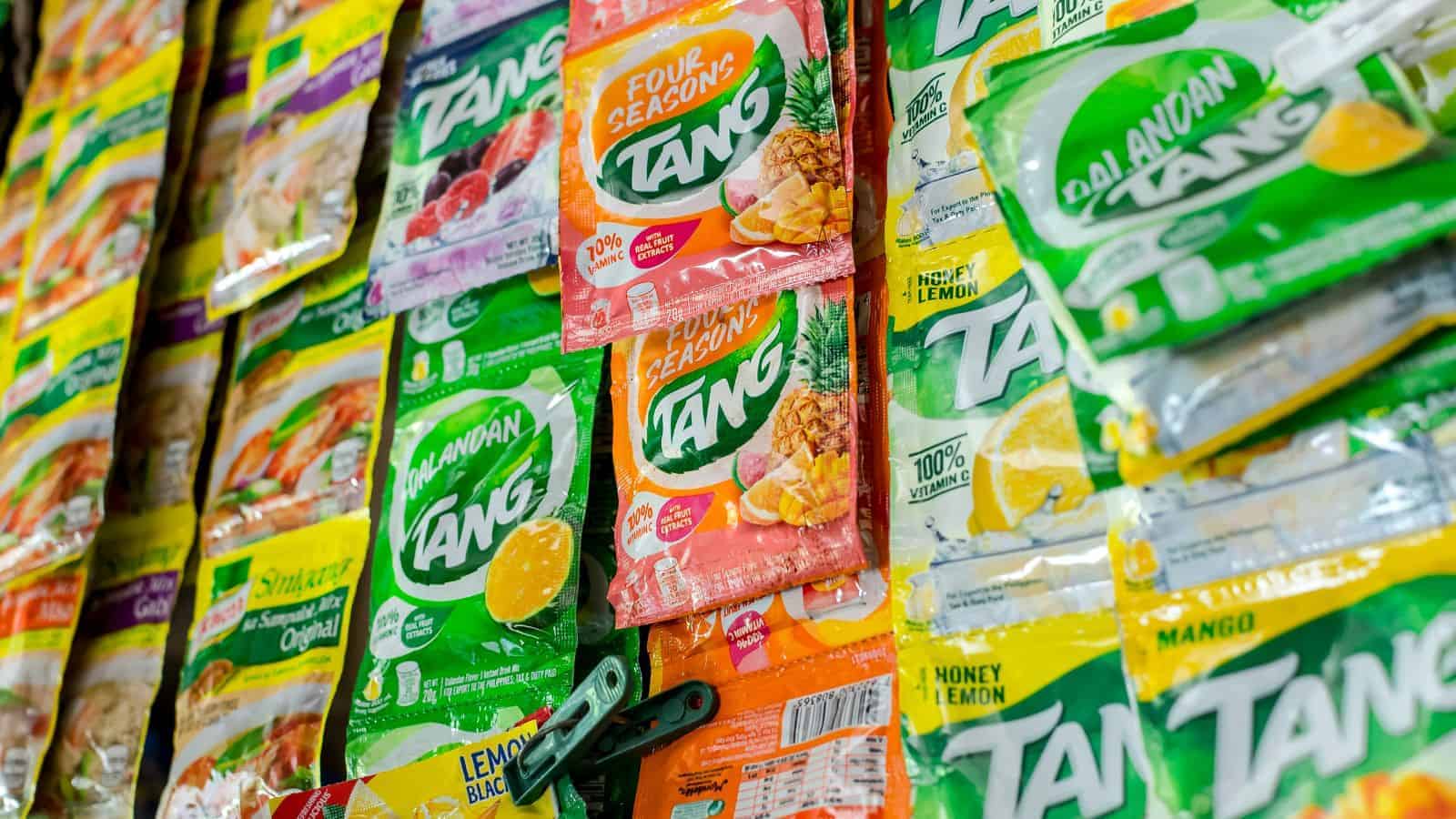
Space-age marketing turned Tang into a household staple, but its ingredient list read like a chemistry project. Loaded with artificial colors, flavors, and a significant amount of sugar, Tang offered a token dose of vitamin C to maintain its health halo.
The sugary, neon-orange powder appealed to kids and parents alike, but would clash hard with today’s focus on natural ingredients and reduced sugar. Reformulated versions are still around, but the original formula wouldn’t stand a chance.
Pudding Pops

Creamy (and heavily marketed) Pudding Pops found their way into countless freezers thanks to a winning texture and indulgent taste. Behind that perfect consistency were stabilizers, artificial flavors, and hefty sugar content. While beloved at the time, today’s ingredient-conscious shoppers would likely balk at the chemical complexity.
Beef Tallow-Fried Fast Food

Fries cooked in beef tallow delivered an unmistakable richness and crispness that vegetable oils never quite replicated. The indulgent frying method contributed heavily to the fast food flavor profile of the 70s but also raised serious health alarms as heart disease rates climbed. The push to reduce saturated fat led to widespread reformulation. Today, frying in beef fat would spark immediate backlash from health advocates, nutritionists, and regulators alike.
Parts of this article were generated using AI.